How to Select the Right General Contractor for Your Home Renovation Project
Picking the right general contractor is crucial for a successful home renovation. Home renovation clients must consider several factors, including expertise, certifications, and communication skills. A carefully considered decision can avoid expensive errors and guarantee a better-managed process. However, working through the selection process can be overwhelming. Which particular factors should one consider? What questions are essential during initial consultations? Understanding these elements can greatly impact the renovation experience.
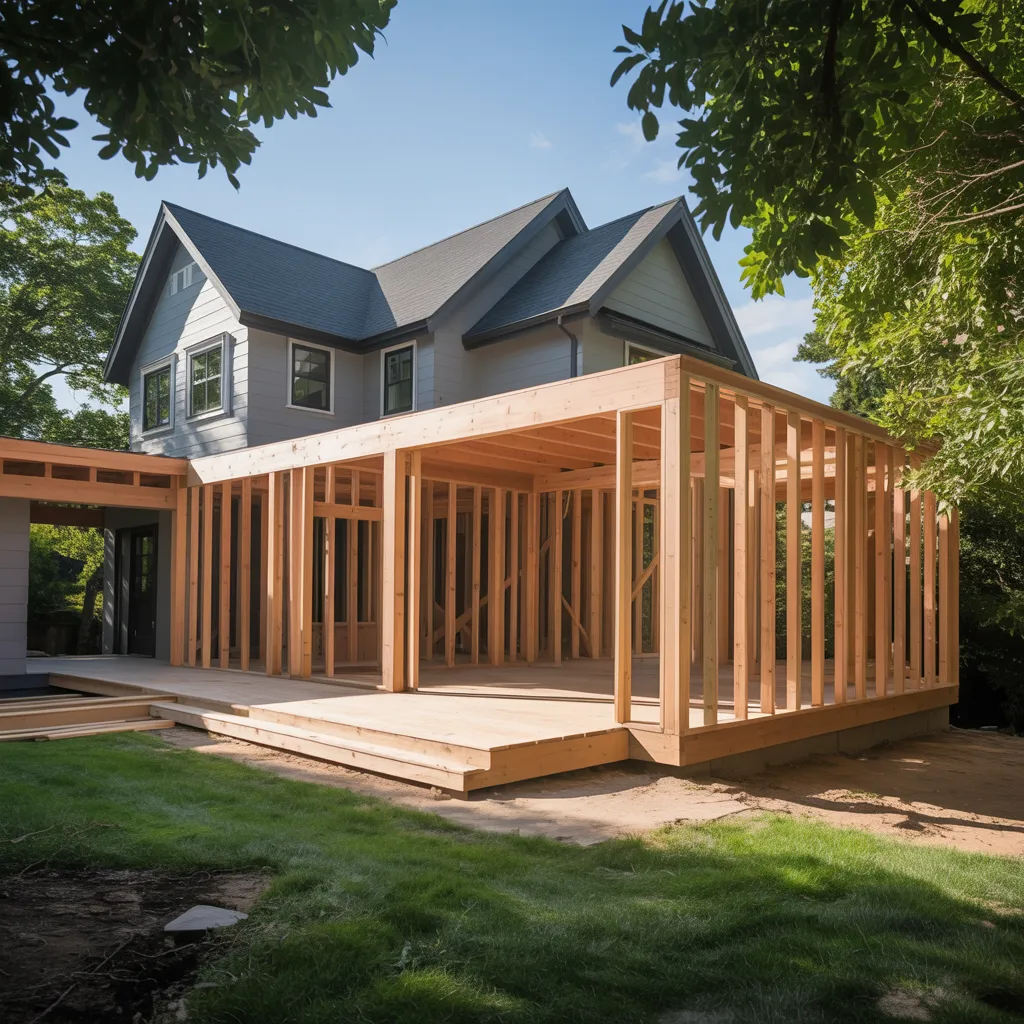
What Kind of Experience Should You Seek in a Contractor?
When hiring a professional contractor for residential renovation, it is crucial to consider their professional background. A contractor's background can greatly influence the quality and efficiency of the remodeling process. First, potential clients should seek contractors with a strong record in related projects, ensuring familiarity with particular challenges and effective solutions.
Additionally, extensive experience can demonstrate a contractor's proficiency in managing subcontractors, timelines, and budgets in an effective manner. Requesting to see their portfolio is also advisable, showcasing past work that aligns with the homeowner's vision.
Additionally, contractors who have experience with area-specific building codes and requirements can assist in preventing potential legal problems. Lastly, a contractor's capacity to supply references from former clients can shed light on their credibility and expertise. By thoughtfully considering these criteria, homeowners can form a well-informed choice when selecting a general contractor for their remodeling project.
How to Verify a Contractor's Credentials and References
How can homeowners guarantee they are hiring a qualified contractor? Confirming a contractor's credentials and references is absolutely necessary. The first step for homeowners is to verify proper licensing and insurance, ensuring the contractor meets local regulations. This process can generally be completed through state or local licensing boards. Furthermore, verifying that the contractor carries liability insurance and worker's compensation coverage shields homeowners from potential liabilities.
In addition, homeowners should seek references from previous clients. A reliable contractor should supply a list of recent projects, along with contact information. Speaking directly to previous clients can uncover important insights about the contractor's work ethic, ability to communicate, and adherence to timelines.
Customer reviews and ratings available on platforms like Yelp or Angie's List can offer additional insight. By performing comprehensive research and collecting various viewpoints, homeowners are able to reach a well-informed choice, increasing the likelihood of a successful renovation project.
Which Questions Are Important to Ask During the First Consultation?
After verifying a contractor's background and recommendations, homeowners should plan ahead for the initial appointment by preparing specific inquiries. Key inquiries should focus on the contractor's expertise in similar projects, including schedules and possible obstacles. Homeowners should also ask about the contractor's strategy for project oversight and correspondence, confirming they will have access to regular status notifications during the project.
Furthermore, exploring the contractor's preferred subcontractors can shed light on the standard of craftsmanship expected. It is important to ask about the permits needed and how the contractor manages inspections. It is also advisable for homeowners to inquire about the billing timeline and any advance payments involved. Being aware of the contractor's warranty terms and how they resolve potential issues post-completion is vital as well. Through asking these specific questions, homeowners can gauge whether the contractor aligns with their goals and requirements for the remodeling project.
How to Properly Break Down Project Estimates and Contracts
Breaking down project bids and contracts is crucial for homeowners to grasp the financial details of their remodeling project. Critical elements such as materials, labor, and deadlines have a direct impact in the overall cost. Moreover, clarifying contract terms guarantees that every party shares a clear understanding of responsibilities and requirements.
Key Estimate Components
Comprehending the fundamental parts of project estimates is vital for homeowners and property owners starting on renovations. A comprehensive estimate generally covers labor expenses, material expenses, and overhead costs. Labor costs account for the pay for qualified professionals, which can differ according to project complexity and experience. Material costs should detail the quantity and grade of materials, permitting homeowners to assess durability and value. Overhead charges, including insurance and permits, reveal the operational expenses of the contractor. Additionally, contingency reserves are frequently added to cover unanticipated expenditures, promoting a more seamless renovation process. Homeowners and property owners should also pay attention to a transparent project timeline and billing plan to define project expectations. Breaking down these aspects enables property owners make educated choices and supports open communication with their preferred contractor.
Contract Terms Explained
A comprehensive grasp of contract terms is crucial for homeowners overseeing renovation projects. Contracts commonly specify the scope of work, payment schedules, and timelines, ensuring all parties are aligned. Homeowners should closely examine the itemized estimates, which provide a detailed breakdown of materials, labor, and permits, providing transparency. Key terms to consider include change orders, which detail how modifications to the project will be handled and priced. Additionally, homeowners should familiarize themselves with warranty terms, which safeguard against flaws in workmanship or materials. Grasping these components allows homeowners to make educated decisions and reduces the likelihood of misunderstandings or disagreements during the project, contributing to a more successful renovation outcome. A solid understanding of contract terms is source key to a productive working relationship with contractors.
Recognizing the Significance of Communication Style With Your Contractor?
How well a homeowner communicates with their general contractor can greatly impact the success of a renovation project. A clear communication style fosters understanding and ensures that everyone involved is on the same page regarding expectations, timelines, and budgets. Homeowners ought to evaluate how contractors convey information, such as through emails, scheduled meetings, or regular project updates.
A contractor who pays close attention and answers with consideration can ease worries and address issues promptly. Moreover, it is critical for property owners to feel comfortable expressing their ideas and feedback. A clear line of communication enables cooperative effort, which can produce better decision-making and creative approaches.
When assessing prospective contractors, homeowners should reflect on how well they can take part in meaningful dialogue. This harmony in communication methods can significantly improve the overall renovation experience, ensuring that the project progresses smoothly and fulfills the homeowner's goals. In the end, clear communication establishes the foundation for a successful partnership.
What Red Flags Indicate a Contractor Isn't Right for You?
Detecting likely telltale signs in a renovation contractor is crucial for a productive renovation. Vague communication methods and a lack of proper certifications can reveal fundamental flaws that may impact the overall project. Property owners should stay alert to ensure they engage a dependable contractor for their project requirements.
Poor Communication Practices
Clear communication acts as the foundation of all successful residential renovation projects. While assessing a general contractor, unclear communication practices often signal potential issues. Red flags include inconsistent messaging, vague answers to inquiries, and difficulty in scheduling meetings. Should a contractor consistently misread project needs or omit regular updates, serious doubts arise about their professionalism and trustworthiness. Furthermore, insufficient openness about schedules, expenses, and procedures may suggest poor organization or a lack of professionalism. Professional contractors ought to be prepared to explain specifics and resolve issues in a timely manner. A contractor that evades straightforward dialogue or disregards inquiries likely does not place the homeowner's needs first, putting the project's outcome at risk. Clear communication is essential for building trust and ensuring a smooth renovation experience.
Lack of Proper Licensing
Clear communication is essential for establishing a successful working relationship with a general contractor, but it is also crucial to confirm that the contractor holds the necessary credentials. The absence of proper licensing serves as a significant red flag when assessing potential contractors. Certified professionals are typically required to adhere to specific state requirements, ensuring that they demonstrate the experience and expertise necessary to handle renovation projects competently and safely. Homeowners should always verify a contractor's license through local authorities or online databases. Furthermore, a reluctance to provide licensing information or insurance verification may indicate a lack of professionalism. Ensuring that a contractor is properly licensed not only protects the homeowner but also supports the overall success of the remodeling project.
Questions We Often Receive
How Can I Tell if a Contractor Is Insured?
To determine if a contractor is insured, one should request insurance verification, encompassing liability insurance as well as workers' compensation. Verifying these documents ensures that the contractor is fiscally liable for any damages or accidents that may occur.
What Should I Do When a Contractor Misses Deadlines?
When a contractor fails to meet deadlines, the property owner should voice concerns straightforwardly, check the agreement for specific provisions, and document delays. Seeking a resolution through discussion or mediation can aid in defining expectations and sustaining project momentum.
How Can I Handle Disputes With My Contractor?
To manage disagreements with a contractor, it is advisable to document all communications, articulate concerns clearly, and attempt to resolve issues through direct conversation. If the dispute cannot be settled, explore mediation or seek legal counsel to protect one's rights and interests.
Are Specific Permits Required for My Renovation Project?
Specific permits for renovations depend on local regulations and project scope. Typically, building, electrical, plumbing, or zoning permits are required. Speaking with local authorities confirms compliance and helps circumvent possible legal challenges during renovation.
How Can I Protect My Home During Renovations?
To safeguard a home throughout renovations, it is important to cover floors, isolate work areas, ensure adequate ventilation, secure valuable items, and keep open lines of communication with contractors about protective measures and scheduling to reduce interruptions.